

Engineering AI
Human-reviewed assistance for search, setup, analysis, and reporting.
Research
Research on connected process, economic, and environmental analysis.
Human-reviewed assistance for search, setup, analysis, and reporting.
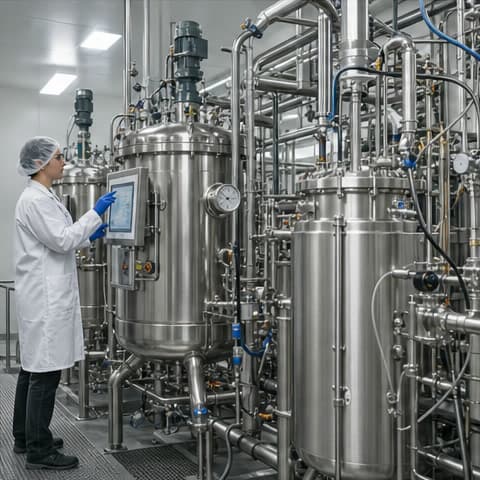
Methods for comparing process routes, operating conditions, and scale-up assumptions.
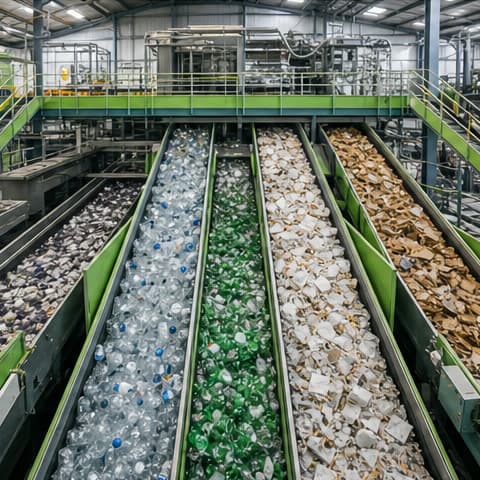
Inventory, impact assessment, data quality, and interpretation linked to process assumptions.
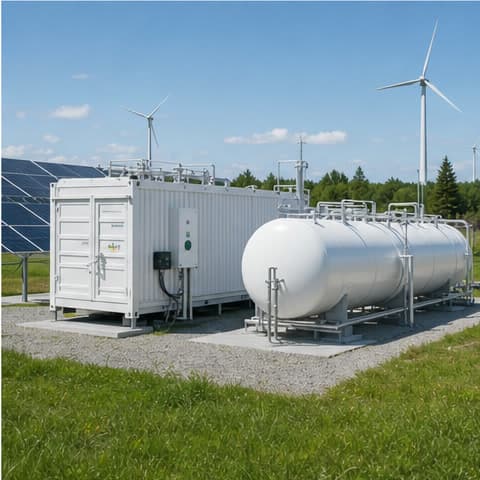
Techno-economic and environmental analysis of hydrogen and emerging energy technologies.
Open interfaces for moving data between process, economic, and environmental tools.
Approach
Document the method, preserve the evidence, and state the limits.
Start with a documented method and state where judgment is required.
Keep models, inputs, and results versioned and rerunnable.
Publish assumptions and limitations with the work.
Setup guides, implementation notes, tutorials, and reference material are collected in the documentation.
We work with technical teams and open-source maintainers on applied engineering problems.