
About
Engineering Decision Intelligence platform for process-intensive manufacturing.
A connected platform for process simulation, techno-economic analysis, and life cycle assessment.
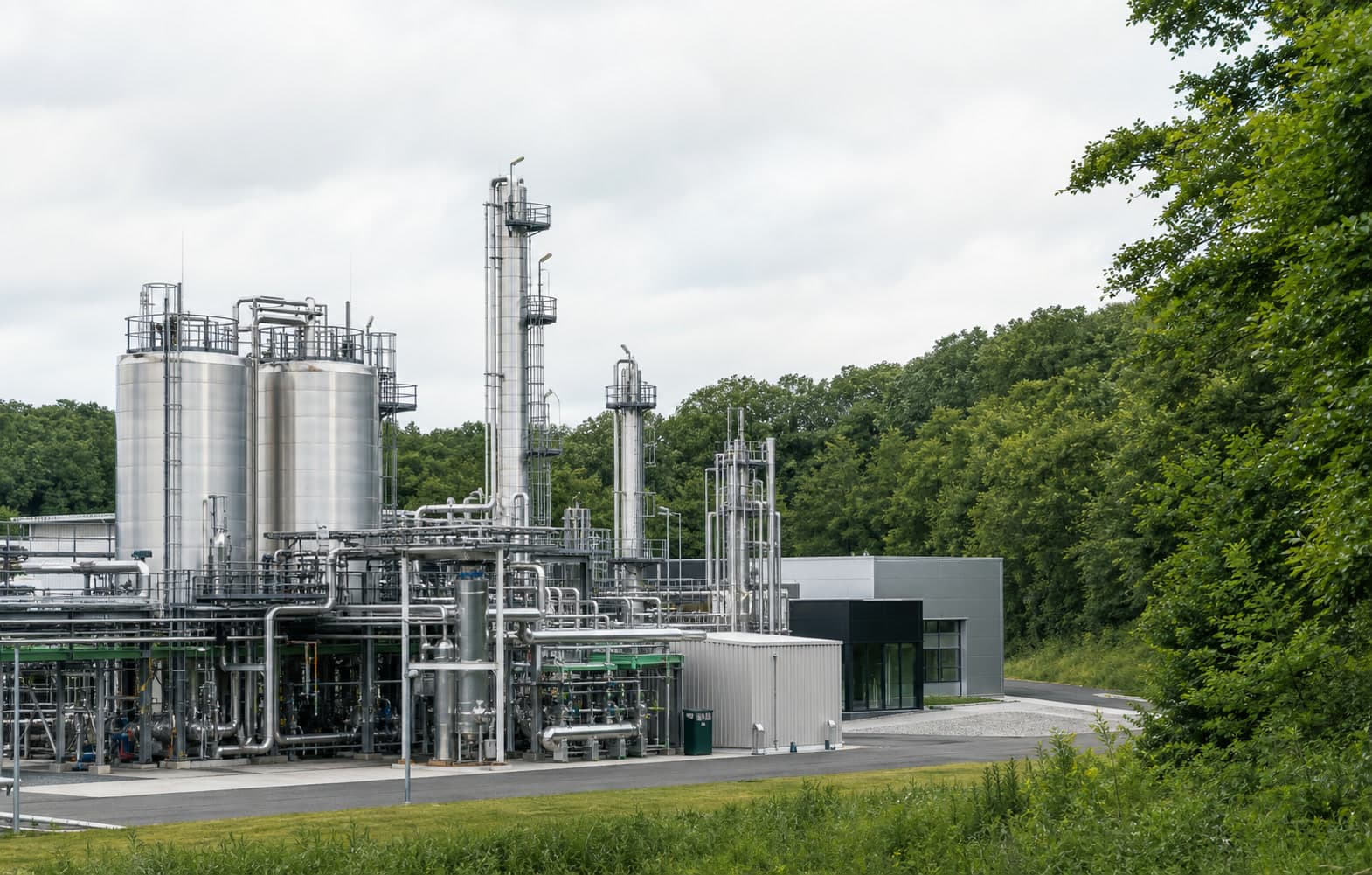
Mission
Why SDAI exists
Instead of treating process simulation, techno-economic analysis, and life cycle assessment as disconnected activities, SDAI keeps them synchronized from a single engineering source of truth.
When yield, capacity, feedstock, or utility assumptions change, the connected models and reports stay aligned.
Methods, evidence, and calculation tools remain visible to the engineers responsible for the decision.
Connected analysis
Keep process, cost, and impact models working from the same assumptions.
Open systems
Build around tools engineers already use and can inspect.
Research led
Start with documented methods, evidence, and limits.
Practical use
Build for real process-development workflows.
Leadership
President
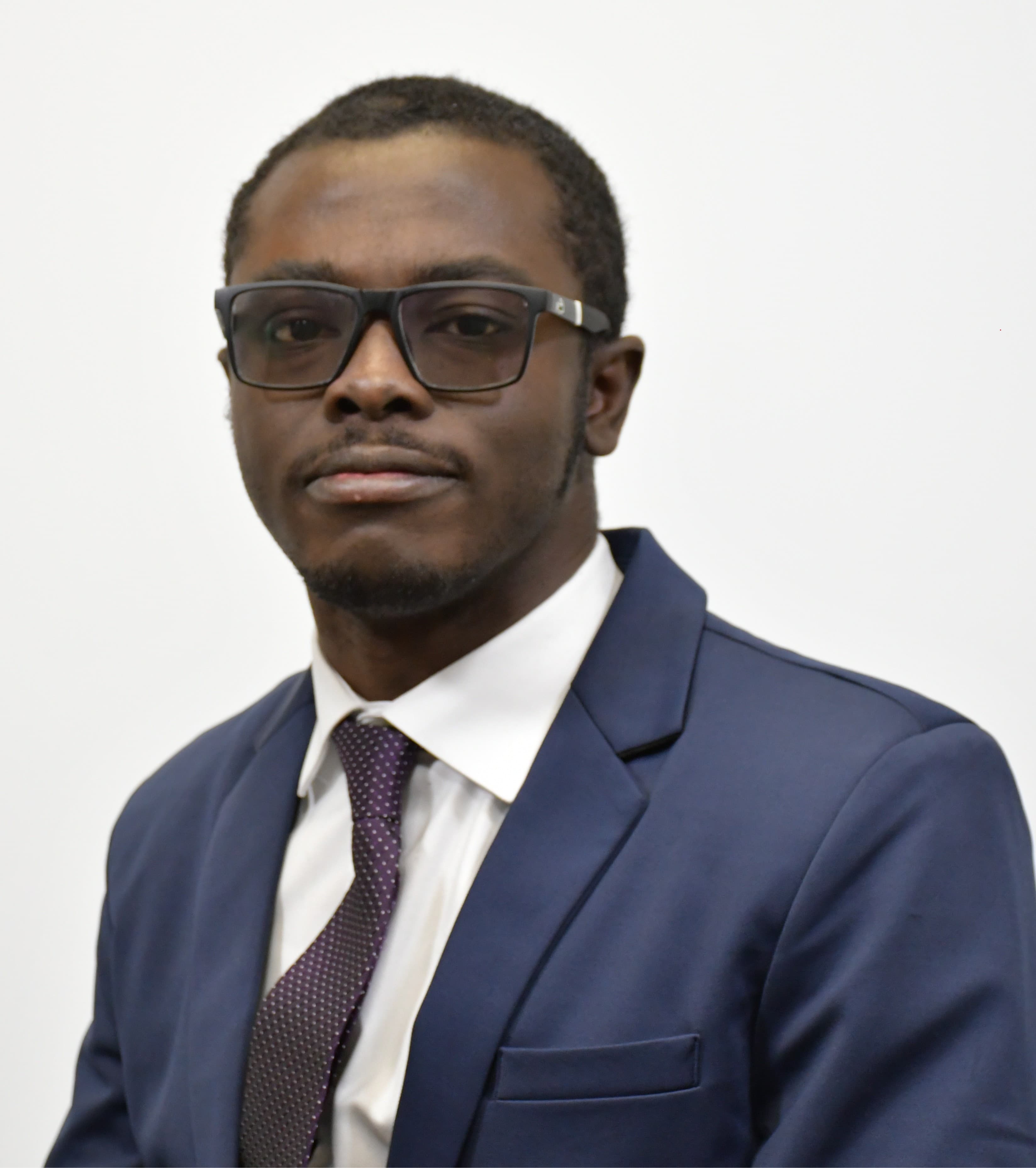
Ernest Boakye Danquah
President
Ernest is a process-systems engineer working across process modeling, techno-economic analysis, life cycle assessment, and engineering software.
He studied chemical engineering at Pennsylvania State University and developed SDAI through HBS Foundry, NSF I-Corps customer discovery, and open-source LCA work.
Pennsylvania State University
Chemical engineering
HBS Foundry
Venture building
Engineering decision intelligence
Process, cost, and impact
Ecosystem support
Supported by Penn State's innovation ecosystem.



Support acknowledged; no endorsement implied.
Our journey
How SDAI took shape
Research
The problem showed up in the models
Early work in process modeling, TEA, and LCA kept running into the same issue: a change in one model rarely carried cleanly into the others.
Open source
Building the connectors
We started with openLCA IPC and MCP tools so common analysis steps could be scripted, repeated, and connected without hiding the underlying models.
Platforms
From tools to shared workspaces
Those integrations are now feeding into LCAgo and BioFlow Studio, where process, cost, and environmental analysis can live in the same working environment.
Current
Testing with real workflows
We are validating the approach against practical research and process-development work, including the parts that still need improvement.
Next
Broader process applications
As the core models and integrations become dependable, we will extend the same approach to more process and sustainability applications.
Our values
What we hold to.
The principles behind the work.
Rigor
State the method, assumptions, and limits.
Openness
Use open tools and publish useful technical work.
Reproducibility
Keep models and results rerunnable.
Human review
Engineers remain responsible for the work.
Practical use
Build for real process-development workflows.
Work with SDAI
Tell us about your process, LCA, or integration work.